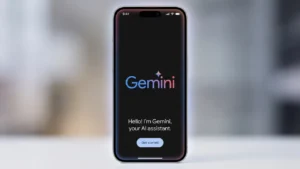
Google is reportedly considering a major shift in how its AI assistant generates revenue. The company may soon introduce ads inside the Gemini AI app, extending its advertising model beyond search and into conversational AI.
While nothing is officially launched yet, signals from recent discussions suggest this move is being seriously evaluated.
Also read: OpenAI–Microsoft Deal Reset: No More AGI Clause, Less Exclusivity, More Flexibility
Ads Already Exist in Google’s AI Search
Before Gemini, Google has already been experimenting with ads in AI-powered search features.
Currently, ads appear in:
- AI-generated search summaries
- Sponsored product listings
- Shopping and performance campaigns
These are tied directly to user queries, which makes them highly targeted.
This setup gives Google a foundation to bring similar formats into Gemini.
Why Ads in Gemini Make Sense for Google
Let’s be straightforward—this is about scaling revenue.
Running AI systems requires:
- High computing power
- Expensive infrastructure
- Continuous model improvements
To sustain this, Google needs a strong monetization strategy. Ads are the most obvious option.
How Ads Might Appear in Gemini
If Google moves forward, ads will likely be integrated into conversations rather than shown as traditional banners.
Possible formats include:
- Sponsored recommendations during chats
- Product suggestions based on queries
- Context-based commercial results
The focus will be on making ads feel relevant rather than intrusive.
Growing Competition in AI Monetization
Google is not the only company exploring this space.
OpenAI has already started testing ads in its chatbot experience, especially for free-tier users.
This indicates a broader trend:
AI platforms are moving from free tools → monetized ecosystems.
User Experience vs Revenue
Here’s where things get tricky.
Adding ads to an AI assistant creates a balance problem:
- Too many ads → poor user experience
- Too few ads → weak revenue model
Google will need to ensure that ads:
- Do not interfere with core responses
- Are clearly labeled
- Remain useful and relevant
If not handled properly, user trust can drop quickly.
Reality Check
This move is not optional—it’s expected.
- Google’s core business is advertising
- AI platforms need long-term revenue
- Free users will likely see ads first
So the real question is not “if,” but “how.”
Also read: Meta Rolls Out AI Business Assistant Worldwide to Simplify Advertising
Final Thoughts
Bringing ads to the Gemini AI app is a logical next step for Google. The company has already integrated advertising into AI search, and extending it to chat-based experiences is a natural progression.
But execution will decide everything.
If ads feel helpful and relevant, users will accept them.
If they feel forced or biased, users will look for alternatives.